
Croatia
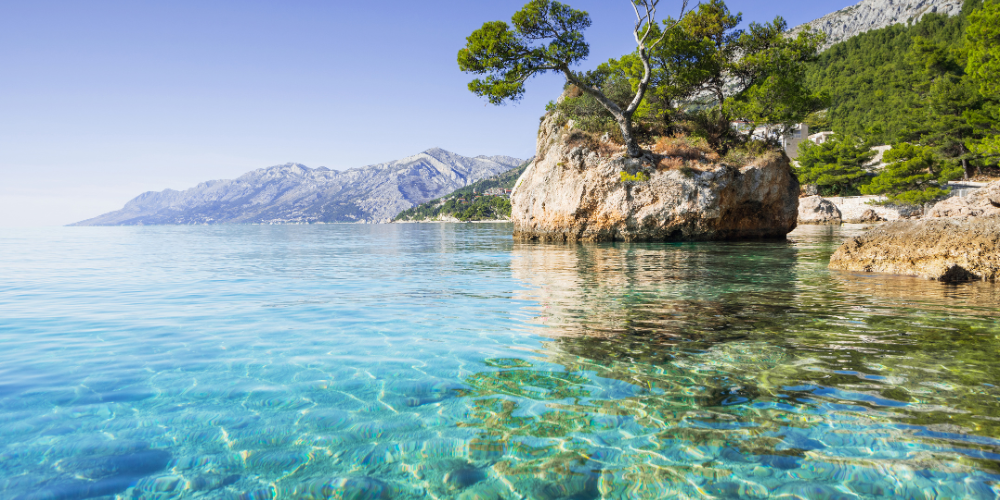
About Croatia
Geography
Croatia is located along the Adriatic Sea and shares borders with:
- Slovenia
- Hungary
- Serbia
- Bosnia and Herzegovina
- Montenegro
It is known for its beautiful coastline with over 1,000 islands, crystal-clear waters, mountains, forests, and national parks.
Major Cities
- Zagreb (Capital)
- Split
- Dubrovnik
- Rijeka
- Osijek
- Zadar
- Pula
Climate
- Coastal Region: Mediterranean climate with warm summers and mild winters.
- Inland Region: Continental climate with hot summers and cold, snowy winters.
Economy
Major industries include:
- Tourism
- Shipbuilding
- Manufacturing
- Information Technology
- Agriculture
- Food Processing
- Pharmaceuticals
Tourism is one of Croatia's largest economic sectors.
Education
Croatia has a well-developed education system with:
- Public and private universities
- Vocational schools
- Technical colleges
Popular universities include:
- University of Zagreb
- University of Split
- University of Rijeka
- University of Osijek
Popular Tourist Attractions
- Dubrovnik Old Town
- Plitvice Lakes National Park
- Split (Diocletian's Palace)
- Hvar Island
- Krka National Park
- Zadar Sea Organ
- Pula Arena
Transportation
- International airports in Zagreb, Split, Dubrovnik, Zadar, Pula, and Rijeka
- Extensive motorway network
- Modern bus and railway services
- Ferry services connecting the mainland with islands
Culture
Croatia is famous for:
- Rich medieval history
- UNESCO World Heritage Sites
- Traditional folk music and dance
- Mediterranean cuisine
- Wine production
- International sporting achievements, especially in football, handball, and water polo
Cuisine
Popular Croatian dishes include:
- Ćevapi
- Peka
- Black Risotto
- Buzara
- Soparnik
- Strukli
- Fresh seafood from the Adriatic coast
Work Opportunities
Foreign workers are commonly employed in:
- Hospitality and Tourism
- Construction
- Manufacturing
- Agriculture
- Healthcare
- Information Technology
- Logistics and Warehousing
Other Countries
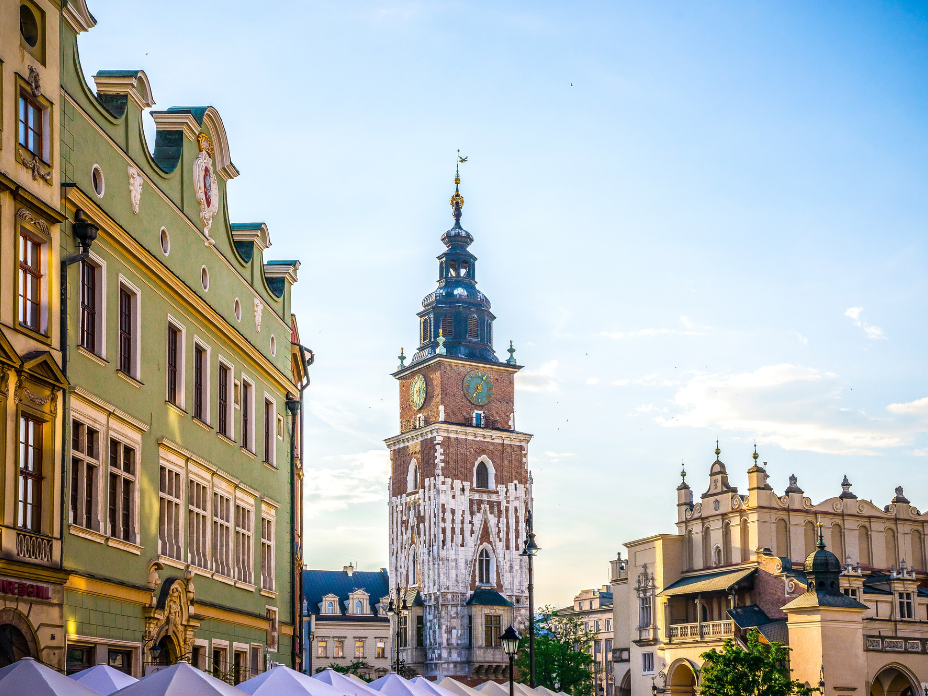
Poland
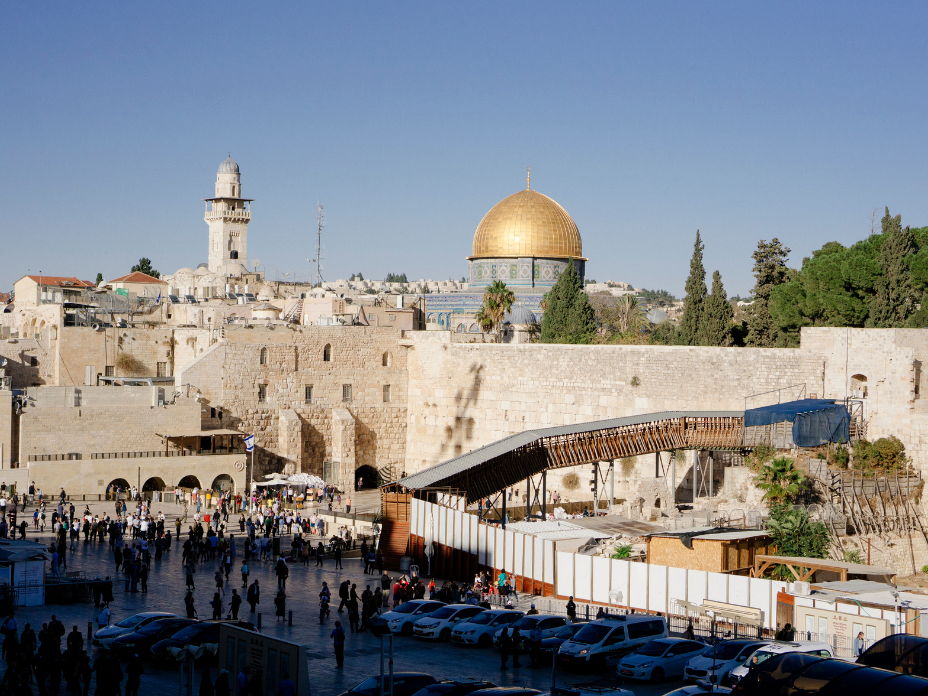
Israel
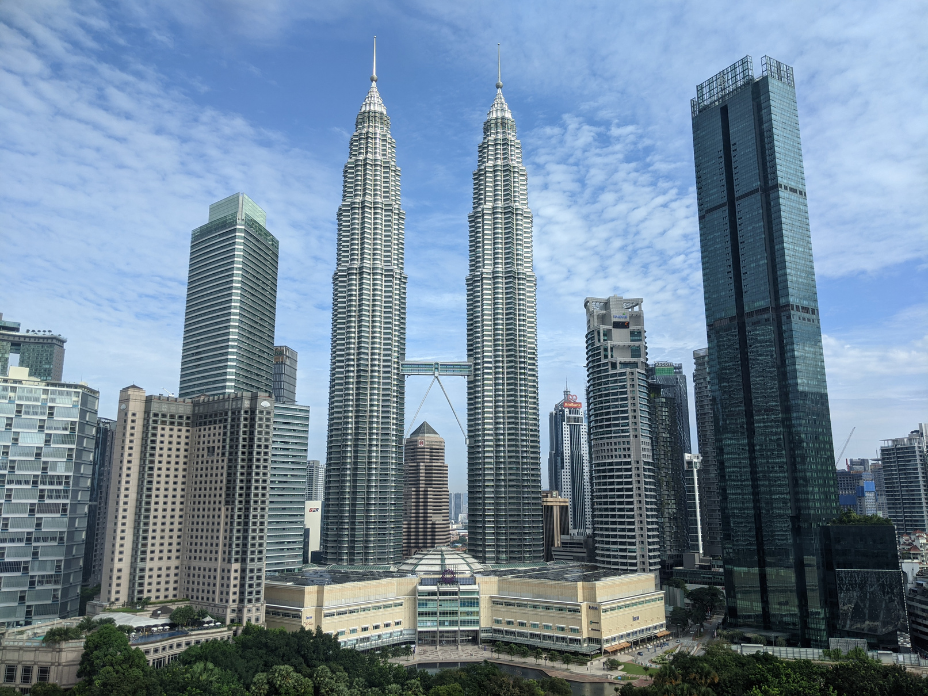
Malaysia
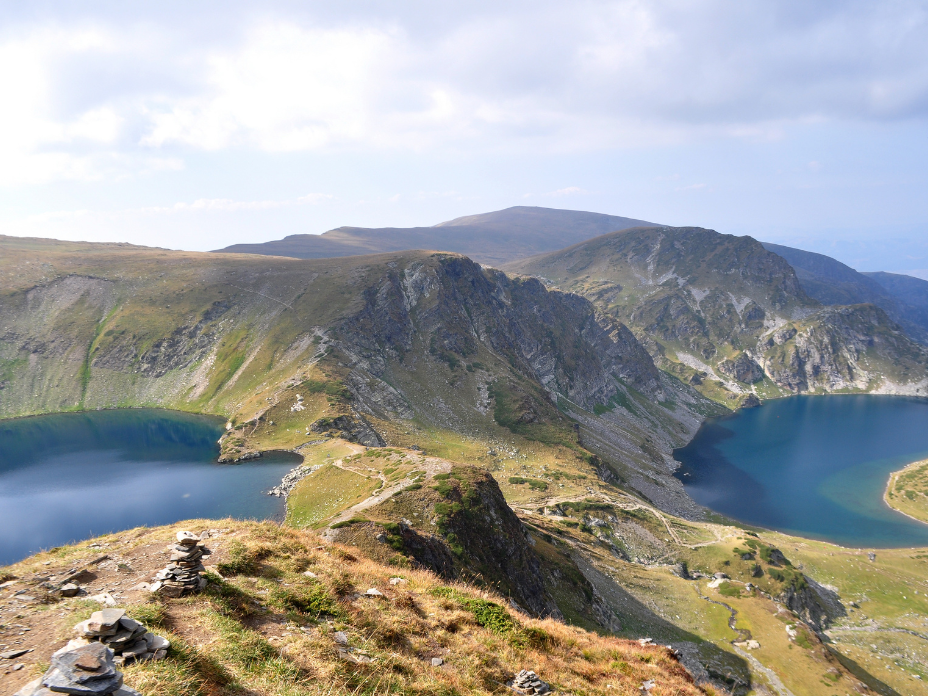
Bulgaria

Taiwan
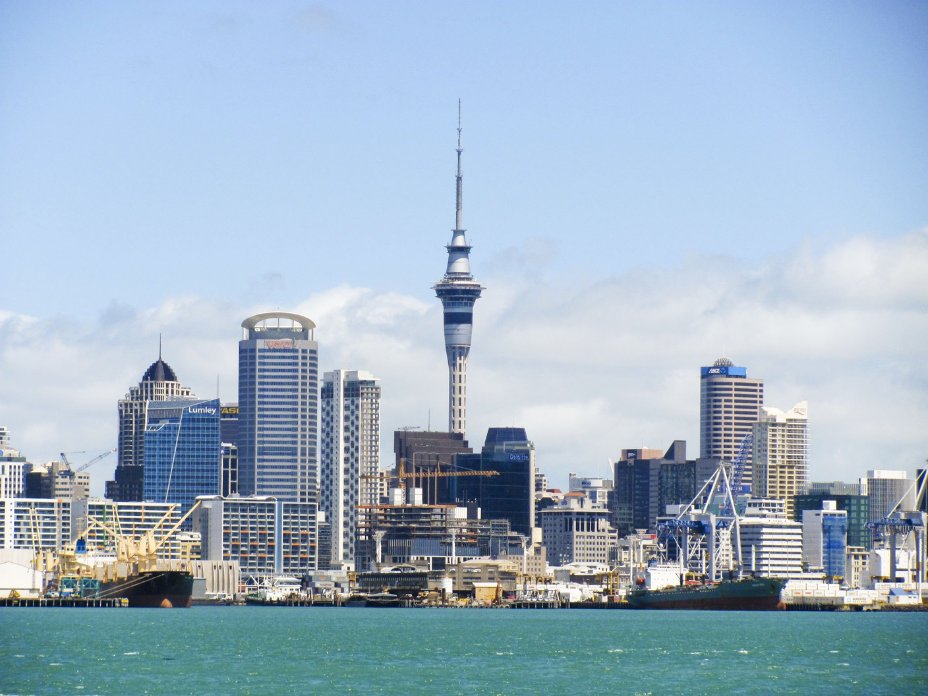
New Zealand
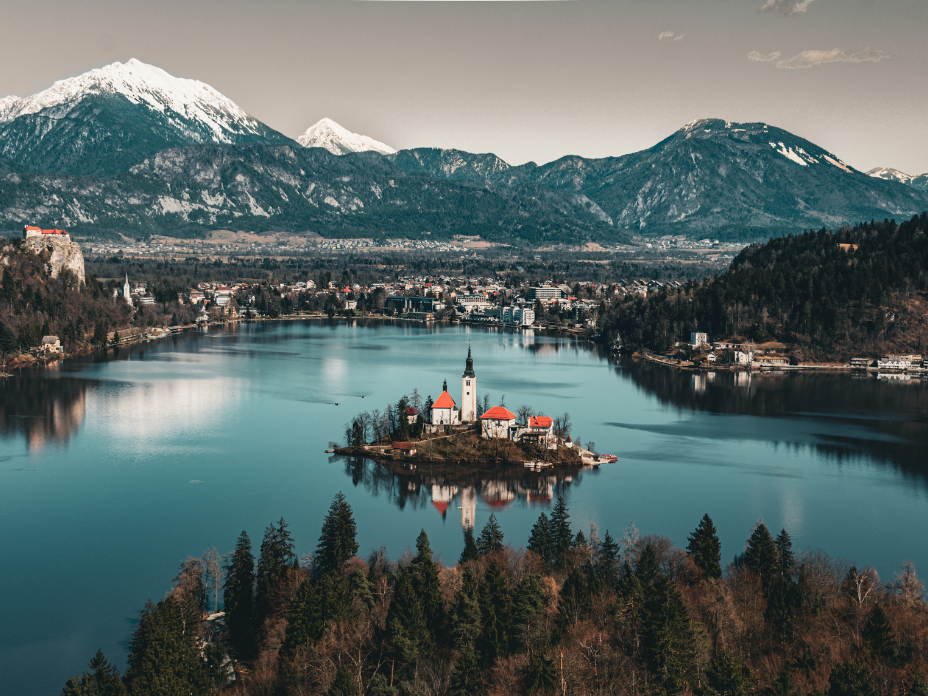
Slovenia
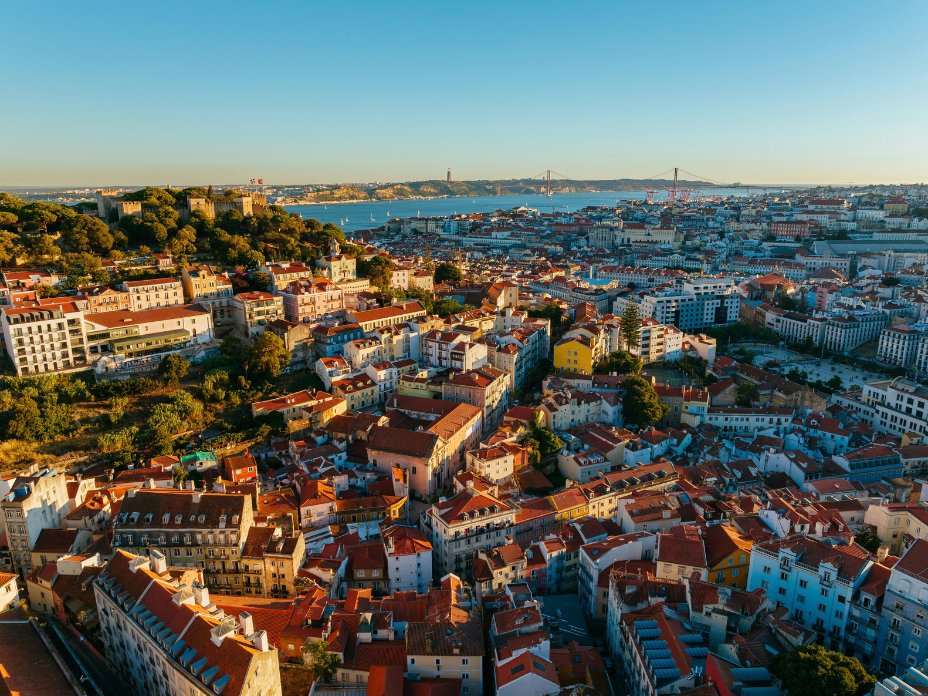
Portugal